
Benefits of including spices in toddler meals
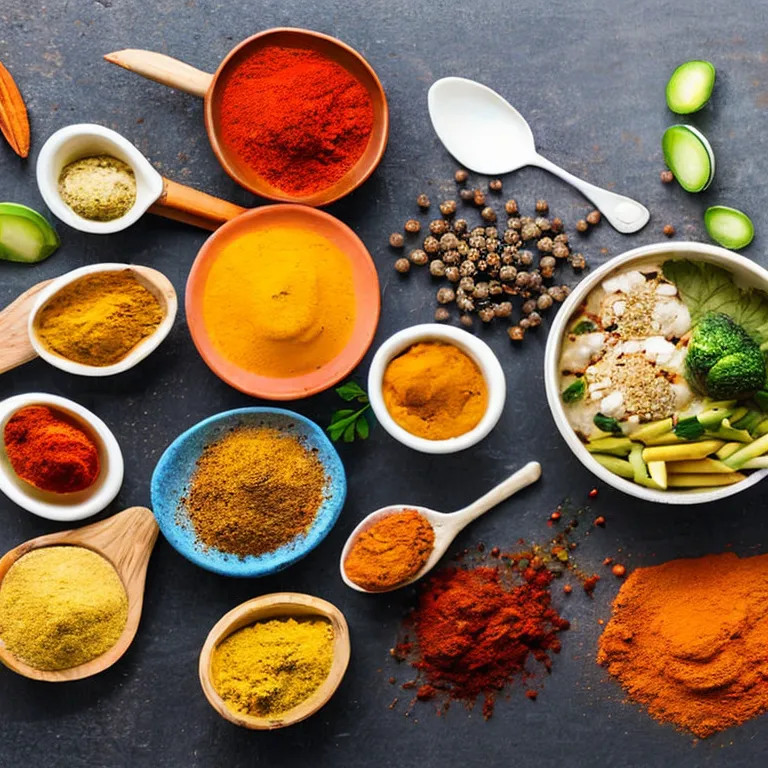
Let’s start with the friendliest spices for little mouths and how to use them without overwhelming tiny taste buds. These choices are mild, easy to pair with everyday foods, and forgiving if you slip up on the amount.
Spices to try (and how to use them)
- Cinnamon: brilliant for porridge, mashed banana, baked apple or yoghurt. Start with a pinch for one serving, moving to about 1/8 teaspoon for two toddlers. It gives sweetness without sugar.
- Cumin: earthy and warming in small amounts. Great with roasted sweet potato, mild chilli-free mince or lentil dahl. Use a pinch up to 1/8 teaspoon per serving; cook it briefly in oil to release the aroma.
- Coriander (ground): gentle citrusy note that lifts veg purees, carrot mash or pea soup. Pinch to 1/8 teaspoon per serving.
- Mild paprika or smoked paprika: sweet paprika adds colour and a soft flavour to scrambled eggs, pumpkin mash or baked fish. Start with a pinch and keep it mild. Avoid hot paprika for toddlers.
- Turmeric: tiny pinch in rice, creamy veg purees or a mild coconut dahl adds warmth and colour. Use sparingly as it stains and has a strong flavour.
- Fresh ginger: a little grated fresh ginger brightens carrot or pear purées and some soups. Use about 1/8 teaspoon freshly grated for a child-sized portion.
- Garlic powder or very gently cooked fresh garlic: mixes well into tomato sauces, baked veg and mashed potatoes. Start small, around a pinch per serving.
- Cardamom and nutmeg: poppets of warmth for porridge, baked fruit and custard. Use a tiny pinch; these are potent so less is more.
Simple blends to make at home
- Breakfast mix: equal parts cinnamon and ground cardamom for porridge and toast.
- Veg mash mix: 1 part cumin, 1 part coriander for roast veg and purees.
- Mild “baby curry” mix: 2 parts turmeric, 1 part ground cumin, 1 part ground coriander. Use a tiny amount in lentils or veg stews, and avoid pre-mixed curry powders that may be too salty or spicy.
How to introduce them
- One new spice at a time. Try it in a familiar dish for a few days before adding another new flavour so you can tell what your child likes.
- Start tiny. A pinch for one serving is often enough. Increase gradually if they accept it.
- Cook with the spice first to mellow any sharp edges. Ground spices added early soften into the dish, while a light sprinkle at the end keeps aroma but may be stronger.
- Repeat exposure matters. Toddlers often need many tries before accepting a new flavour, so keep offering it in different foods.
Practical tips and safety
- Avoid chilli and hot spices for young toddlers. Save those for later when kids ask for stronger flavours.
- Be cautious with seed-based spices such as mustard; they can be allergenic for some children. If there’s family history of allergies, check with your health professional.
- Buy single-ingredient spices so you know what’s in them and to avoid hidden salt, sugar or nuts. Store in airtight containers away from heat and light for best flavour.
- If using whole spices, a quick toast in a dry pan then grind them gives lovely flavour with smaller quantities.
- Keep salt and added sugar out of toddler food. Spices should add interest, not cover up the need for a balanced base.
Little changes pay off. Start with these mild spices, keep portions tiny and steady, and you’ll be teaching curious taste buds to enjoy a bigger world of flavours without a fight.
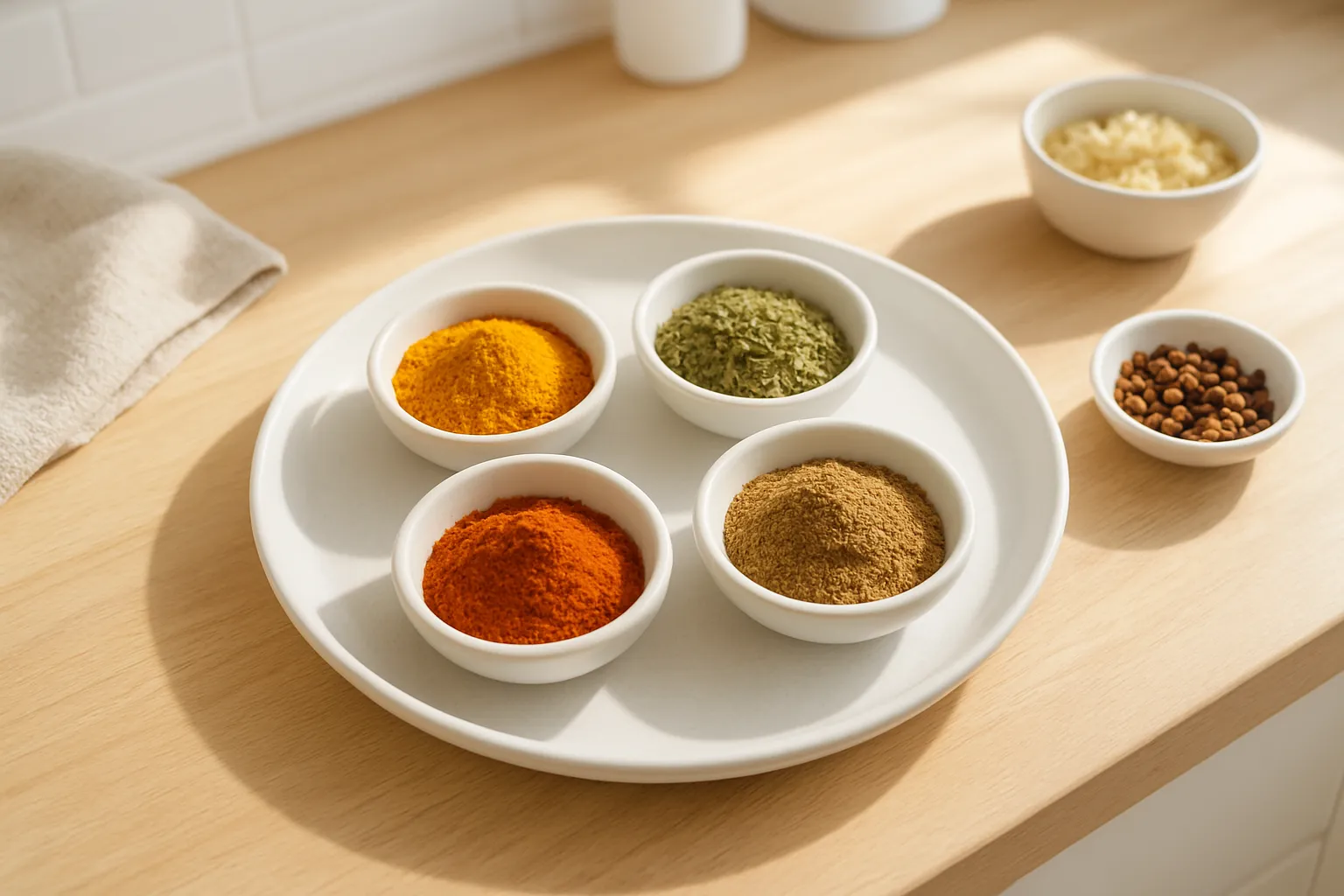
A few small, regular additions can quietly give little immune systems a hand. Try these gentle options and simple ways to use them.
Which spices and how to use them
- Turmeric: anti-inflammatory and easy to hide. Stir 1/8 to 1/4 teaspoon into a mashed banana, yoghurt, porridge or a mild béchamel. Add a tiny pinch of black pepper if you like, but only a speck for toddlers to help absorption.
- Ginger: warming and good for tummies and colds. Grate a pea-sized amount or 1/8 teaspoon into soups, stews or carrot puree. Cooked ginger is milder and kinder on little mouths.
- Garlic: has natural antimicrobial properties. Use a small clove minced and gently cooked into sauces, baked veg or casseroles. Cooked garlic is sweet and much less sharp.
- Cinnamon (Ceylon): nice on porridge, fruit compotes or yogurt. Use 1/8 to 1/4 teaspoon. Choose Ceylon cinnamon where possible because it’s milder.
- Cumin and coriander: mild, tummy-friendly and great in mashed sweet potato, mild dals or vegetable stews. Start with 1/8 to 1/4 teaspoon.
- Thyme, oregano, rosemary: great in slow-cooked soups, tomato-based sauces and roast veggies. Use small pinches of dried herbs or a few fresh leaves.
How to introduce them
- Start tiny: a pinch is fine for first tries. If tolerated, slowly increase to the amounts above. Mix spices into foods the child already likes so flavours are familiar.
- Cook them: gentle heat softens sharpness and makes spices more palatable. Bloom ground spices briefly in a little oil at the start of cooking to bring out flavour without intensity.
- One at a time: introduce a single new spice over a few days so you can spot any reactions.
- Don’t mask with sugar or salt: let kids learn the flavour while keeping meals healthy.
Quick, toddler-friendly ideas
- Golden porridge: oats, mashed banana, 1/8 tsp turmeric, a pinch of cinnamon, milk or water.
- Mild carrot and ginger soup: roast carrots, simmer with a 1/4 tsp grated ginger, blend smooth and serve warm.
- Cumin mashed sweet potato: mash roasted sweet potato with 1/8 tsp ground cumin and a little olive oil.
- Tomato pasta sauce: sauté one small minced garlic clove, add crushed tomatoes, a pinch each of oregano and thyme, cook low and slow.
- Cinnamon apple compote: stewed apples with 1/4 tsp Ceylon cinnamon, great on yoghurt or toast.
Safety notes
- Avoid hot chillies and big hits of spice. Keep flavours gentle.
- Introduce after solids are established, usually around six months, but check your health professional if unsure.
- Watch for allergic reactions. Stop and seek urgent help if you see hives, swelling, vomiting or breathing difficulty.
- For babies under 12 months, don’t give honey.
Small amounts, often, mixed into everyday meals are the easiest way to gently support immune health without overwhelming tiny palates. Keep it low and steady and let them get used to the flavour over time.
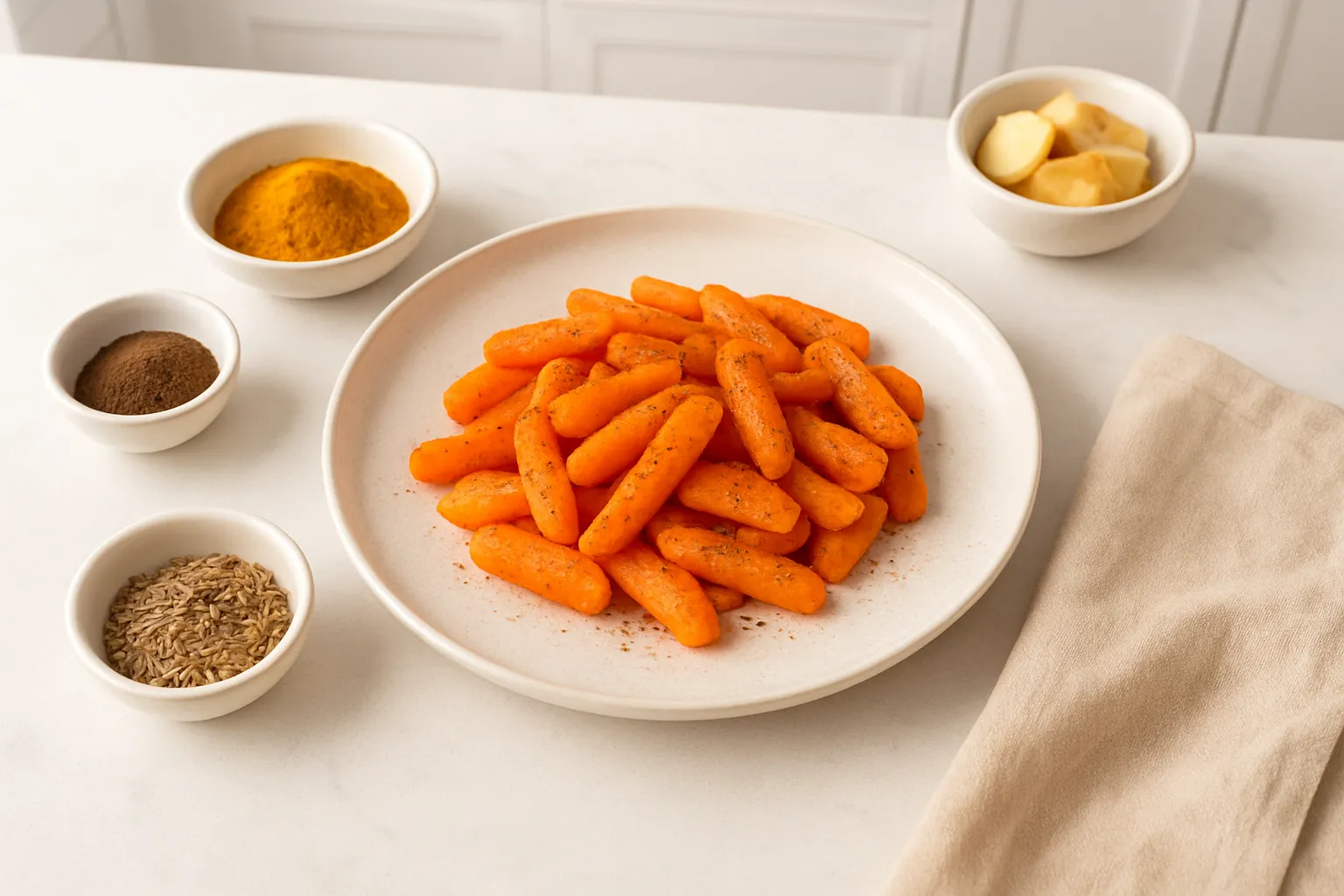
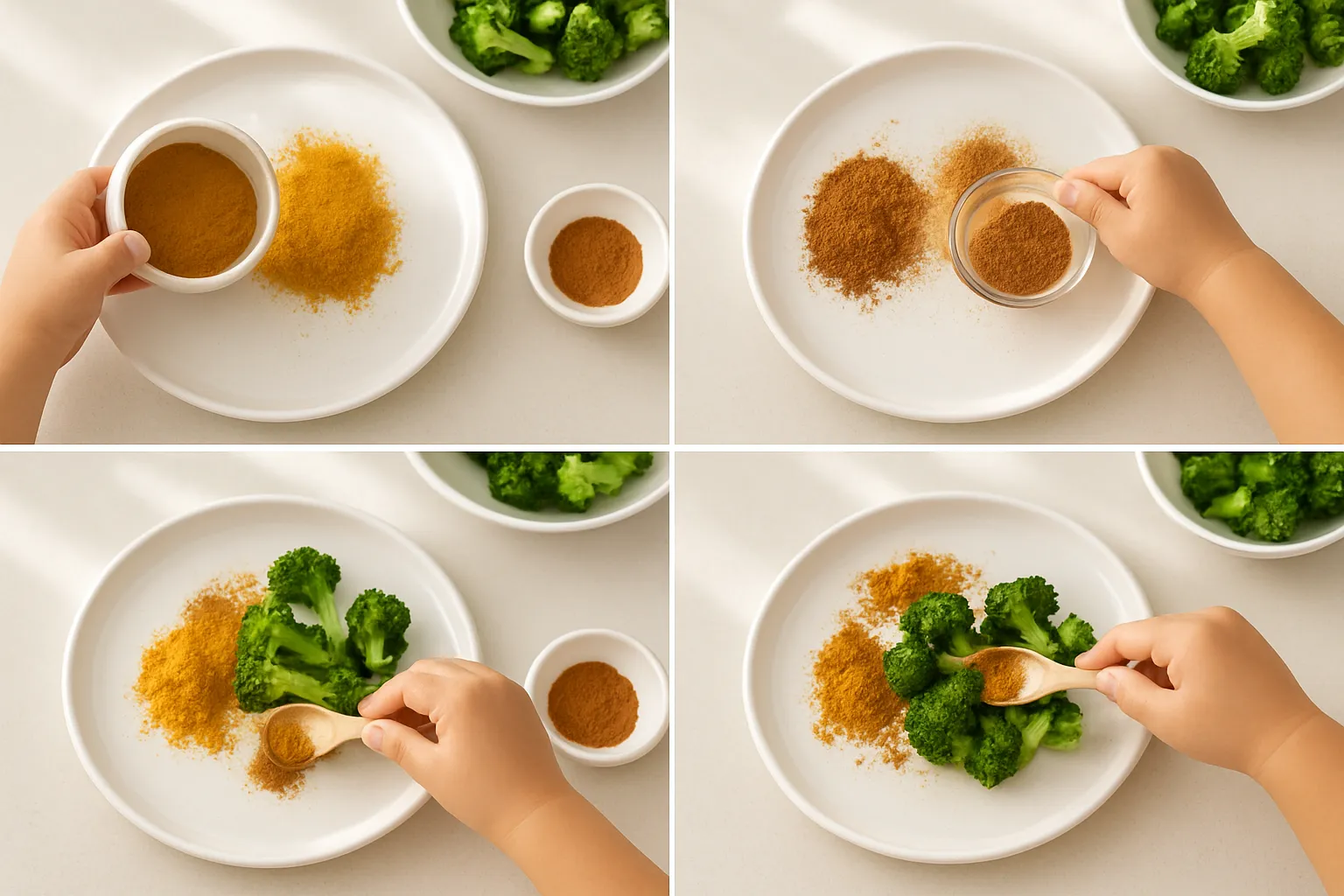
A calm belly makes for a much happier day, so here are practical, gentle ways to use everyday spices to ease wind, tummies and mealtime meltdowns.
What to try and how to use it
- Fennel seeds: great for trapped wind and colic. Lightly crush a small pinch, steep in boiling water for 5 minutes, cool well and offer a tablespoon or two of the strained liquid. You can also stir a tiny pinch of ground fennel into purees, porridge or carrot mash.
- Ginger: mild fresh ginger can settle nausea and aid digestion. Grate a whisper of fresh ginger into soups or stews while they cook, or simmer a sliver in water for a few minutes, cool and add a teaspoon to milk puddings or warm cereal. Avoid strong ginger shots or concentrated syrups.
- Cumin: very tummy-friendly and lovely in rice, lentil dahl or veggie purees. Toast cumin seeds lightly and grind, or add 1/8 to 1/4 teaspoon to a family-size pot and keep the toddler’s portion mild.
- Cardamom: a little pod crushed into rice puddings or porridge gives a sweet, soothing flavour that can ease wind.
- Cinnamon: a pinch on porridge, baked apple or in stewed fruit calms and comforts. It’s a gentle spice most toddlers accept.
- Mint: fresh mint leaves brewed briefly and cooled make a soothing drink. Great after an upset tummy.
- Turmeric: mild anti-inflammatory properties and lovely in lentils and mild curries. Use a small pinch and pair with a splash of coconut milk to mellow the flavour.
Practical serving tips
- Start tiny. Begin with a pinch and work up slowly while watching for reactions. For most toddlers, a pinch to about 1/8 teaspoon of a spice in a single serving is plenty. Less is better than more.
- One new thing at a time. Introduce one spice and wait 48 to 72 hours so you can spot sensitivities.
- Mix into favourites. Stir spices into porridge, mashed sweet potato, soup, rice or smoothies where the flavour blends in and is easier to accept.
- Use food forms first. Ground or fresh spices in cooking are safer than oils or concentrated extracts. Avoid essential oils for children entirely.
- No chilli or hot spices for little ones. Skip chilli, hot paprika and strong curry pastes until they’re older and used to bolder flavours.
- No honey under 12 months. Even if you’re making a soothing drink, don’t add honey to anything for babies under one year.
Watch for warning signs If you see rash, persistent vomiting, swelling, breathing changes or a sudden change in behaviour or stool after trying a spice, stop using it and check with your GP. And if tummy troubles are regular or severe, have a chat with your child’s health professional rather than relying on home remedies alone.
Quick toddler-friendly ideas
- Warm fennel water: pinch of crushed fennel seeds, steep, cool, 1-2 teaspoons for little ones.
- Mild ginger carrot soup: grate a shaving of ginger into carrot soup while it cooks.
- Comforting cumin rice: toast a teaspoon of cumin seeds in the pot before adding rice, then remove larger bits for toddler portions or keep it very mild.
- Tiny turmeric dahl: red lentils, a small pinch of turmeric, coconut milk and mashed veggies for creaminess.
These gentle spices can make a real difference to wind and upset tummies when used sparingly and sensibly. Give them a go one at a time and see which ones your little eater takes to best.

With little tummies feeling good, it’s a lovely time to gently introduce flavours from around the world. Keep things mild, familiar and fun, and you can open up a whole heap of new tastes without the drama.
Practical, toddler-friendly world flavour ideas
- Mild Indian-ish: start with a tiny pinch of turmeric and ground cumin in mashed sweet potato or lentil dahl. Use 1/8 to 1/4 teaspoon for a small pot, plus a splash of coconut milk to mellow the spices. Serve with soft roti pieces for dipping.
- Mediterranean: mix torn basil and a little oregano into mashed tomatoes or a mild pasta sauce. Add a drizzle of olive oil and a squeeze of lemon for brightness. Perfect for sneaky veg inclusion.
- Middle Eastern comfort: cinnamon and a touch of allspice work beautifully in baked pumpkin or lamb meatballs. Try 1/8 teaspoon cinnamon in the mix, and serve with plain yoghurt for dipping.
- Mild Mexican-inspired: cumin and smoked paprika give gentle warmth without heat. Fold 1/8 teaspoon into mashed black beans or sweet potato, and serve with avocado or a yoghurt dip.
- East Asian: fresh ginger and a splash of toasted sesame oil add big flavour in small doses. Grate a little ginger into congee or a vegetable stir-fry and use just a tiny drizzle of sesame oil at the end.
- Thai-ish: coconut milk, lime zest and coriander leaves make bright, toddler-friendly dishes without any chilli. Use coriander sparingly at first so it doesn’t overwhelm.
How to introduce new flavours without stress
- Start small: try a single new spice on its own once or twice so they get used to the aroma, then combine it with familiar foods.
- Mix with something they love: fold the new flavour into something already accepted, like mashed potato, porridge, yoghurt or toast toppers.
- Keep it mild: avoid chilli and strong salts. Aim for aroma not heat. Coconut milk, yoghurt or mashed banana can soften bold spices.
- Repeat exposure: toddlers may refuse a new taste at first. Offer it again over several days without pressure.
- Serve choices: let them pick between two small options so they feel in control.
- Watch for reactions: introduce one new spice at a time if there’s a family allergy history and keep portions tiny to start.
Simple themed-meal ideas to try this week
- Little curry nights: mild veg curry with turmeric, cumin and coconut milk, served with soft rice.
- Olive and herb toasties: finely chopped olives, basil and a little lemon zest on wholegrain toast.
- Cinnamon pumpkin bites: roasted pumpkin tossed with a whisper of cinnamon and a yoghurt dip.
- Sesame-ginger veg: steamed veg with a tiny grating of ginger and a drizzle of sesame oil.
The trick is low stress and lots of repetition. Keep portions small, pair new tastes with something familiar and let them explore at their own pace. Before long you’ll have a mini adventurer keen to try more.
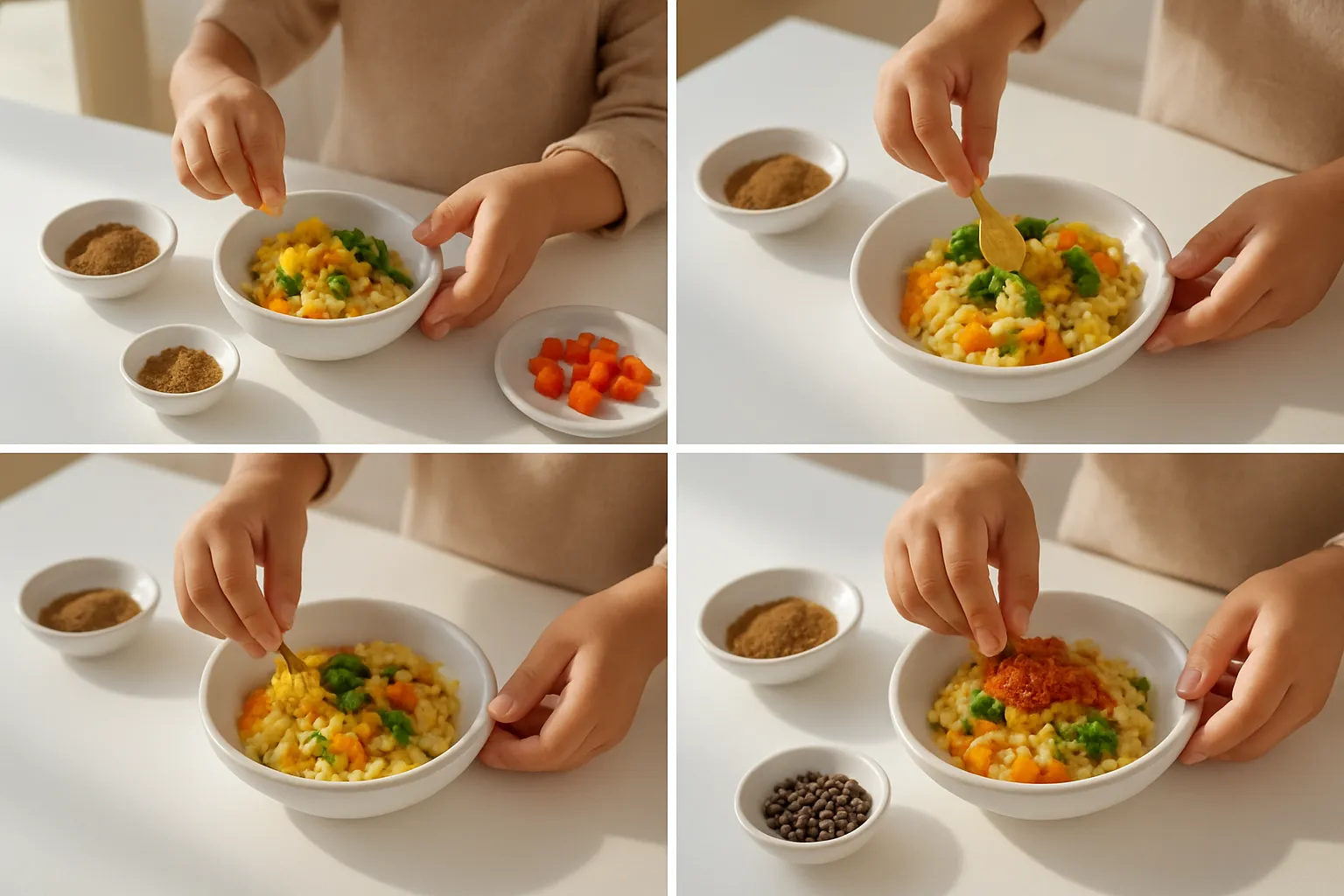
Keep it steady and predictable. Toddlers thrive on routine, so make spice experiences part of the regular meal rhythm rather than an occasional experiment.
Practical steps
- Start tiny. A pinch or 1/8 teaspoon is plenty for 1-2 toddler servings. Too strong, too fast will shut them down.
- One new spice at a time. Try it for a few days in different dishes and watch for any reactions. If all good, keep it in rotation.
- Repeat, repeat, repeat. It can take 8-15 exposures before a new flavour feels familiar. Offer the same mild spice in porridge, mashed veg, a baked patty and a yoghurt dip over a couple of weeks.
- Pair with favourites. Add cinnamon to banana porridge, mild cumin to a favourite lentil mash, or a pinch of sweet paprika to roasted sweet potato. Familiar textures make new tastes safer.
- Keep heat out of it. Avoid chilli and whole peppercorns. Use very small amounts of black pepper if you must, and leave out anything that gives a big burn.
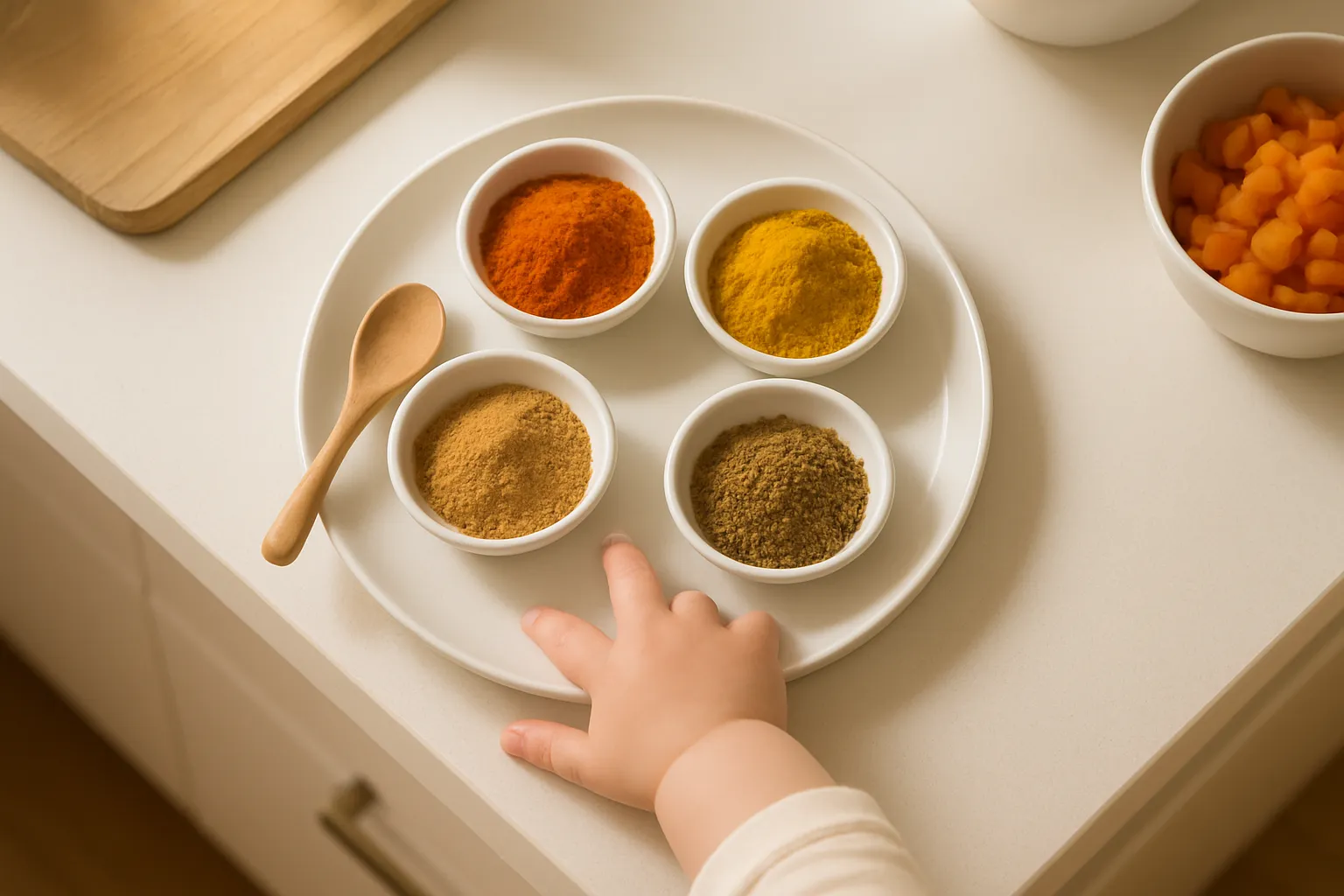
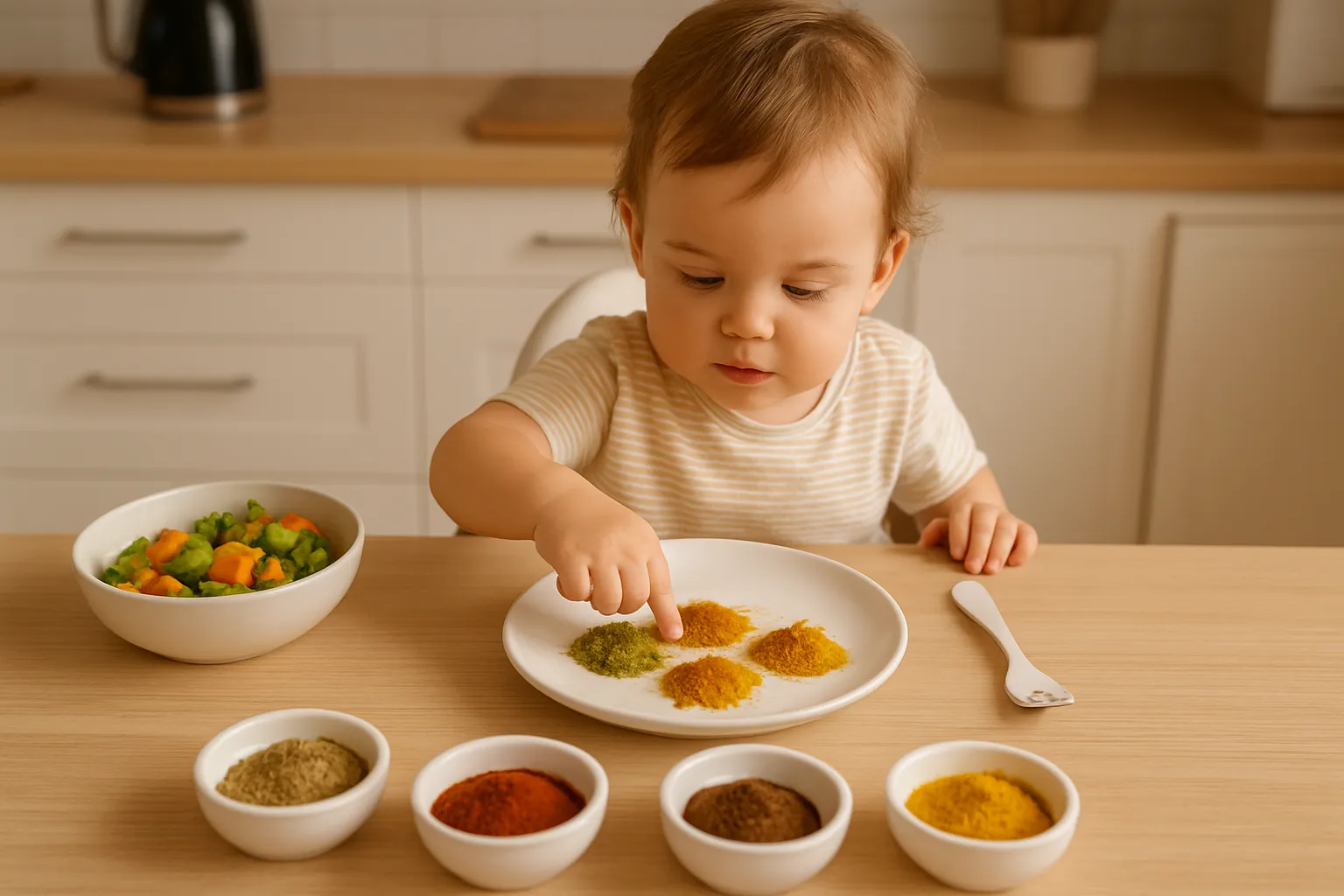
- Make it sensory, not forceful. Let them sniff a spice jar, touch a tiny pinch, try a lick on their own terms. No pressure, no bribing. Curiosity beats coercion every time.
- Give choice and control. Offer two mild options: “Cinnamon or cardamom on your apple?” Even small choices boost cooperation.
- Sneak it into repeatable meals. Use the same spice across different recipes so the flavour becomes predictable. For example, coriander in soup, pancakes and a mild crumble topping.
- Use a simple spice schedule. Rotate three mild spices weekly so the palate becomes used to a small pool of flavours rather than a jumble.
- Keep safety front of mind. Avoid whole seeds that could be choked on, limit salt and sugar, and introduce new spices slowly while observing for any reactions.
What to do when they turn away
- Offer calmly and move on. One refusal does not mean defeat. Try again later in a different dish.
- Serve small portions so exploration is low-risk for the kid and low-waste for you.
- Model enjoying it. Eat the same food with pleasure and the curiosity will follow.
- If a tantrum happens, stay matter-of-fact. Repeating the exposure without making it a battleground keeps the spice experience safe and predictable.
A steady, no-fuss approach makes new flavours feel like part of the routine, not a risk. Over time that predictability becomes the security toddlers need to open up to more tastes.
Browse Cuisines
From the Blog
First up, a few no-fuss spring winners that keep sticky fingers and big clean-ups to a minimum. Quick to prep and easy for little hands to manage, these are the sorts of things I reach for when we want something...
Nice - here’s how Steve keeps dinner simple without sacrificing flavour or sanity. A few good habits and the right packing tricks mean you can pull a proper family meal out of the freezer in minutes.
Righto, a couple of quick fridge fixes will make everything a whole lot easier. These are the simple, practical habits and setups that keep snacks safe, obvious and actually reachable for little hands.


 Never miss a recipe from us, subscribe to our newsletter