
Allergy-Friendly Cooking, Picky Eaters and Age-Appropriate Feeding Guide
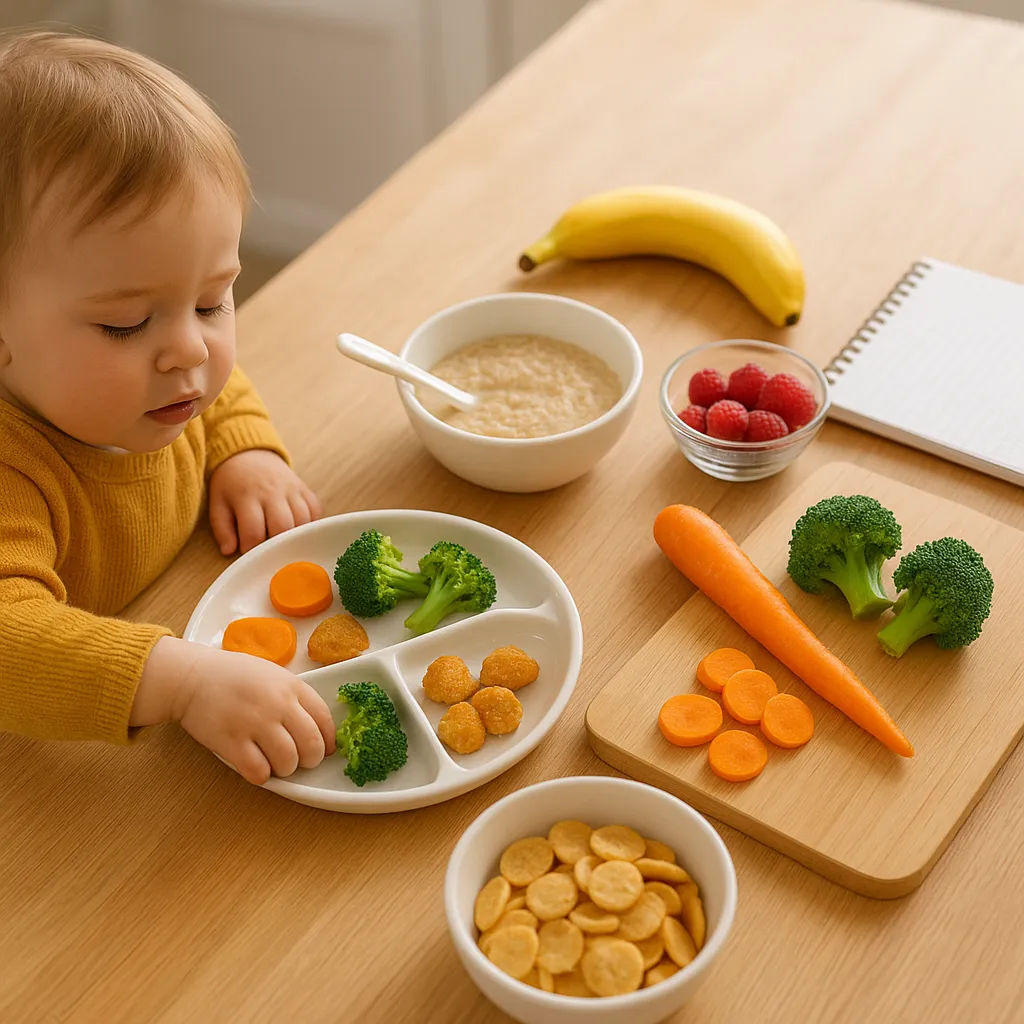
Allergy-Friendly Cooking for Little Ones
We know how nerve-wracking it can be when your child has a food allergy – or when you are still figuring out what they can and cannot eat. That is why every recipe on toddlerrecipes.com.au is clearly labelled for the most common childhood allergens: dairy, eggs, nuts (including peanuts and tree nuts), gluten and soy. Where possible, we include simple swaps so you can adapt a recipe to suit your child – think oat milk instead of cow’s milk, flax eggs instead of hen eggs, or sunflower seed butter in place of peanut butter. Our goal is to take the guesswork out of mealtimes so you can focus on feeding your family with confidence, not anxiety. Allergies are more common in Australian kids than many parents realise, and there is absolutely no reason your little one should miss out on tasty, interesting food because of them. If you are ever unsure about introducing a new food, have a chat with your GP or an allergy specialist first – and then come back here for a recipe the whole family can enjoy.
Dealing with Picky Eaters (Without Losing Your Mind)
If your toddler has decided that the only acceptable food on earth is plain pasta with absolutely nothing on it, you are in very good company. Picky eating is one of the most normal parts of toddlerhood, and for the vast majority of kids it is a phase that passes – even when it feels like it never will. The research is pretty clear: low-pressure, repeated exposure works better than anything else, so keep offering small tastes of new foods alongside the things they already eat, and try not to turn the dinner table into a battleground. Our recipes are designed with fussy eaters in mind – lots of mild flavours, familiar textures and gentle ways to sneak extra veg into meals without a standoff. You know your child best, but from one tired parent to another, a bit of patience and a few smart kitchen tricks go a long way.
Age-Appropriate Feeding Guide
What your child needs from food changes a lot between their first taste of solids and the day they start sitting down to a proper family dinner. From around six months, babies are ready to explore smooth purees and very soft finger foods, building up to lumpier textures and more variety as they approach their first birthday. Between one and two years, toddlers can handle a wider range of textures – soft-cooked pieces, shredded meats, small pasta shapes – and this is a brilliant time to introduce plenty of different flavours while their curiosity is high. By two to five years, most children can eat adapted versions of whatever the rest of the family is having, just cut smaller, seasoned more gently and served with a little extra patience. Our recipes are tagged by age group so you can quickly find meals that match where your child is at right now.
A Quick Note on Kitchen Safety
Whenever you are preparing food for babies and toddlers, always check the temperature before serving – test a small spoonful yourself, because little mouths burn far more easily than ours. Cut food into age-appropriate sizes to reduce choking risk: that means quartering grapes lengthwise, shredding meat finely and avoiding whole nuts for young children. If you are introducing a known allergen for the first time, do it at home during the day, offer a small amount on its own and watch for any reaction over the next couple of hours before giving more.
Browse Cuisines
From the Blog
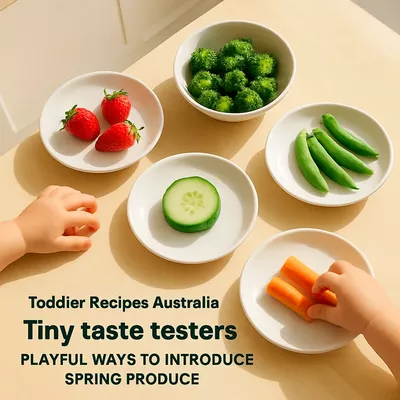
First up, a few no-fuss spring winners that keep sticky fingers and big clean-ups to a minimum. Quick to prep and easy for little hands to manage, these are the sorts of things I reach for when we want something...
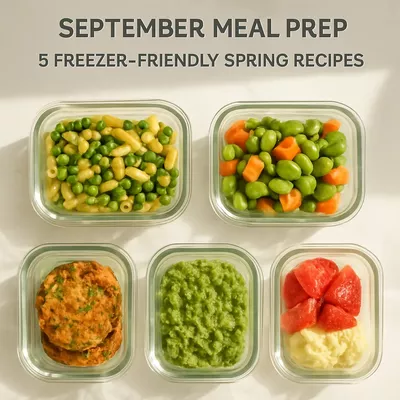
Nice - here’s how Steve keeps dinner simple without sacrificing flavour or sanity. A few good habits and the right packing tricks mean you can pull a proper family meal out of the freezer in minutes.
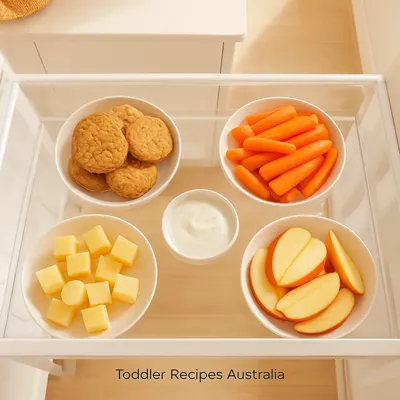
Righto, a couple of quick fridge fixes will make everything a whole lot easier. These are the simple, practical habits and setups that keep snacks safe, obvious and actually reachable for little hands.
 Never miss a recipe from us, subscribe to our newsletter